
Small Animal Cardiology: Diagnostics to Treatment
Sorry, this workshop is sold out.
For vets whose hearts are in it.
December 12th - 13th, 2026
Brisbane Airport Conference Centre
Vets CPD points: NSW: 23 // Others: 15
Watch the Workshop Experience
Proudly Partnered With




Is This Workshop For You?
Small animal cardiology isn’t known for getting an abundance of practical attention at vet school, and it can be tricky to get off the ground on your own without dedicated guidance.
Working out what angle to use, or why you can’t see what you’re expecting, is tenfold easier when you have a team of educators on hand to point you in the right direction. And that includes understanding how to change your settings to captures images and measurements that inform your patient’s plan.
This workshop will suit GPs who want to refresh their cardiology knowledge, get started or improve their confidence with echo and ECG (beginners are welcome!), and make more evidence-based decisions.
We start from grassroots up, combining tutorials, interactive clinical cases and scanning demonstrations with an abundance of hands-on practicals, including the opportunity to practise on real dogs of various shapes and breeds.
You’ll build confidence in:
- Approaching murmurs, respiratory signs, arrhythmias & collapse
- Setting your machine up for cardiac scanning & improving image acquisition (the buttons that make a difference)
- Recognising cardiac anatomy on echo & identifying key structures using standard views (done right!)
- Practical measurements, including LA:Ao (once you have a handle on your right parasternal long axis view)
- Assessing systolic function
- Applying basic colour & Doppler principles, including CW & PW Doppler
- Revising ECG traces and identifying common canine arrhythmias
- And of course, recognising echo findings associated with common canine heart diseases
Conditions covered include degenerative mitral valve disease (DMVD), dilated cardiomyopathy (DCM), pericardial disease, congenital diseases, pulmonary hypertension and heartworm.
The ultimate aim is to help you understand the findings in front of you, and connect them with decisions you can back.
Why This Workshop is Different
Grass Roots Up
We meet you where you’re at. This workshop has GPs in mind, but emergency vets and interns are welcome too. Every vet whose heart is in it, including beginners.
Learn Better By Doing
We know this is real. That’s why we’ve incorporated over 8 hours of interactive practicals. Within that, 5 hours is made up of hands-on echo scanning with phantoms and live dogs.
From Start to Finish
Our educators will help you get the right views and measurements. They’ll support you in interpreting ECGs and identifying common arrhythmias. But most importantly, they’ll help you understand what you’re seeing and translate your findings into an actual diagnosis and management plan.
Never a Dull Moment
Busy hands and busy brains, with plenty of new knowledge ready to use back in your clinic! But also the chance to network, socialise, and enjoy a bang-up meal at Saturday night’s delegate dinner.
Real Equipment, Real Practice
…And a few real patients of various shapes and breeds thrown in for good measure! Observe live demos, scan phantoms to get comfortable with the controls, then progress to practicing with the real deal.
This Workshop Helps You With:

Apply Echo & ECG in Primary Care
These are powerful tools in the right hands, and who says the right hands don’t belong to you?
Being able to get rapid patient-side answers to guide your immediate care for your next collapsed, dyspnoeic or exercise intolerant dog just might provide the clarity needed to save a life.
More than once.

Stay Calm - Your Scan Isn’t Like the Diagram
Getting a useful cardiac image isn’t just sticking a probe on the heart – although many of us will admit we’ve found a couple of hypertrophies or maybe some subjective contractility changes this way in the past.
But with correct machine setup and probe position, along with a weekend of productive, guided experience, you’ll find a plethora of information in that thorax you didn’t previously have access to. Now you do.

Turn Findings Into Planning
The title says ‘Diagnostics to Treatment’ for a reason! Interactive case studies and tutorials covering approach to and management of common conditions mean this workshop doesn’t just stop where the diagnostics do.
You’ll work through what the clinical and literal picture mean for the patient in front of you: what to treat (and how), what to monitor, what to recheck, and when referral is the right call.
Workshop Breakdown
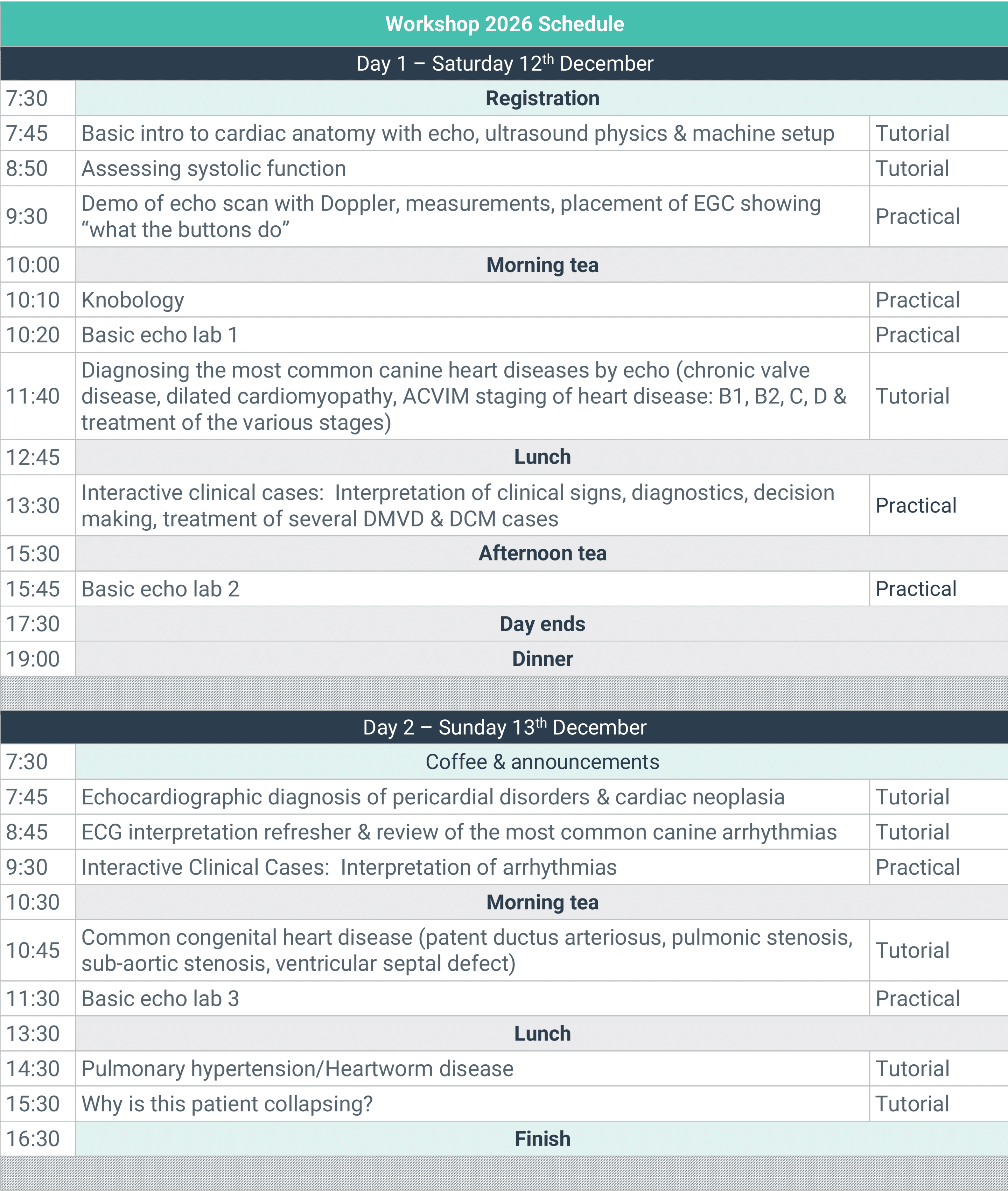
What’s Included?
2 Full Days of Training with 8 Hours of Practical Lab Time
All Materials & Equipment Provided
Vets earn CPD Certificate with 23 Points NSW, 15 Points all other states.
A printed practical handbook & digital notes to review on your own time
Lunch, Morning Tea & Afternoon Tea
Need to Travel?
We’ll send you a recommended
accommodation list and provide the details you need ahead of time.
Your Educators

Dr Anna Gelzer
Qualifications: Dr.med.vet. PhD Dipl. ACVIM (Cardiology) and ECVIM-CA (Cardiology) Professor of Cardiology
Anna Gelzer earned her veterinary degree from the University of Bern in 1992, before completing her doctorate (Dr. med. vet.) at the same institution in 1994. Following a small animal rotating internship at the University of Georgia and a cardiology residency at Cornell University, she became board-certified in cardiology through both ACVIM and ECVIM. In 2010, she completed her habilitation (PhD) at the University of Bern in comparative cardiac electrophysiology.
Dr Gelzer has held teaching and research positions at Cornell University and the University of Liverpool, and is currently Professor of Cardiology at the University of Pennsylvania. Throughout her career, she has taught veterinary students and cardiology residents, while authoring more than 100 manuscripts, book chapters and a book. Her research focuses on improving the diagnosis and management of arrhythmias in companion animals through clinical trials and the development of novel interventional treatment options including catheter ablation.

Dr Marc Kraus
Qualifications: Professor of Clinical Cardiology Dipl. ACVIM (Cardiology, Internal Medicine) Dipl. ECVIM-CA (Cardiology)
Dr. Marc Kraus is a Professor of Clinical Cardiology at The University of Pennsylvania (Penn Vet). He received his DVM degree from the University of Georgia and completed his specialty training in Internal Medicine at the University of Georgia followed by his cardiology training at Cornell University. He has extensive experience in treatment and management of congestive heart failure, interventional cardiology and cardiac biomarkers. He has close collaborations with faculty at the Children’s Hospital of Philadelphia (CHOP). He is the author of more than 100 scientific articles, abstracts, book chapters and a book on ECG interpretation.

Dr Anna Dengate
Qualifications: BMedSc BVSc FANZCVS (Small Animal Medicine)
Dr Anna Dengate has worked across almost every role in the veterinary profession, from volunteer kennel attendant to small animal internal medicine specialist and practice owner. In 2022, she founded The Vet’s North, a specialist consultancy now supporting over 65 clinics across Australia with in-clinic ultrasound services and case advice.
Anna is passionate about empowering veterinarians and their teams to build diagnostic confidence, particularly in interpreting ultrasound findings and translating them into practical treatment plans. Having worked with thousands of veterinary professionals, she brings clear, real-world insights into what truly supports learning, teamwork and excellent patient care.
What Vets Are Saying
Hear It from Past Attendees:
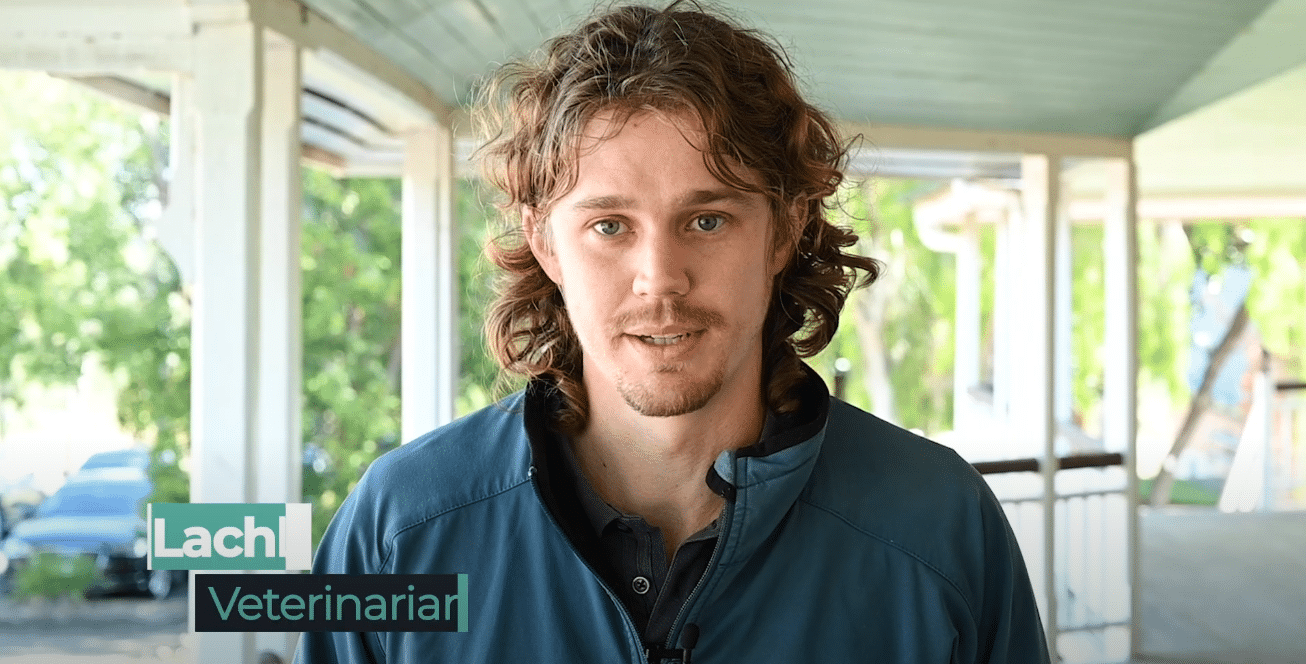
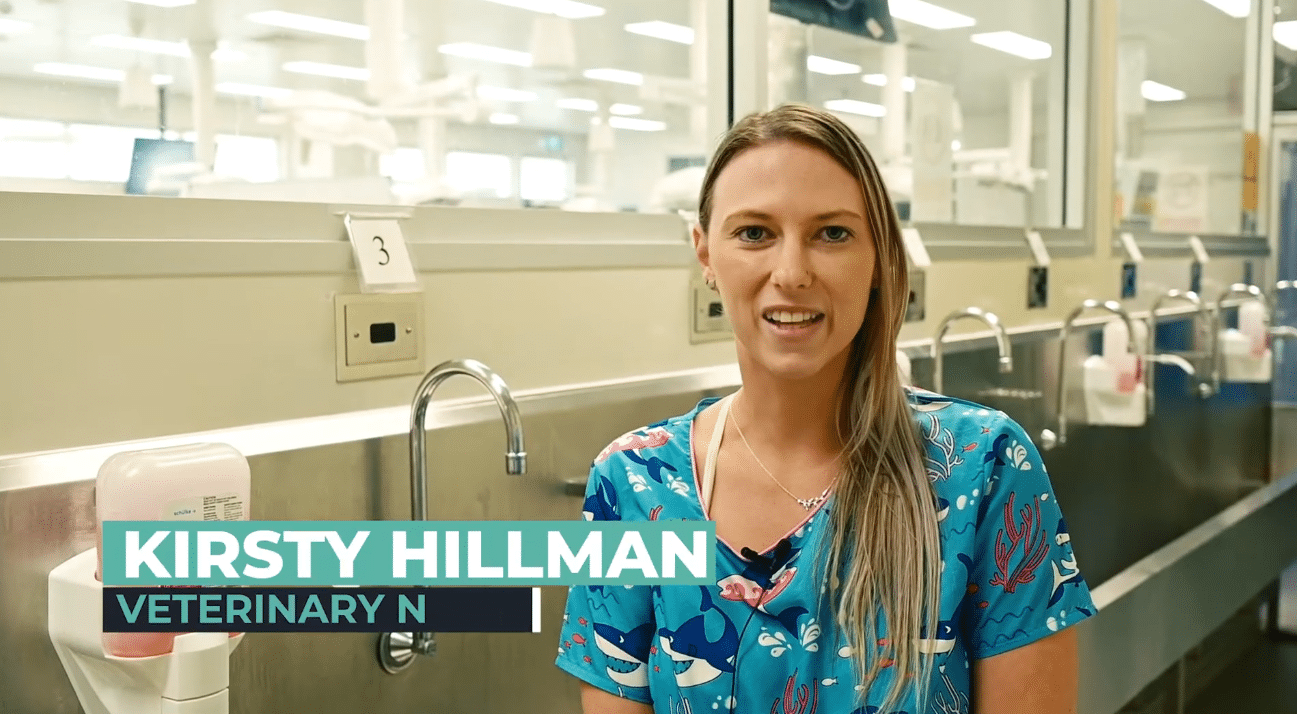

– Dr. Anita Barton
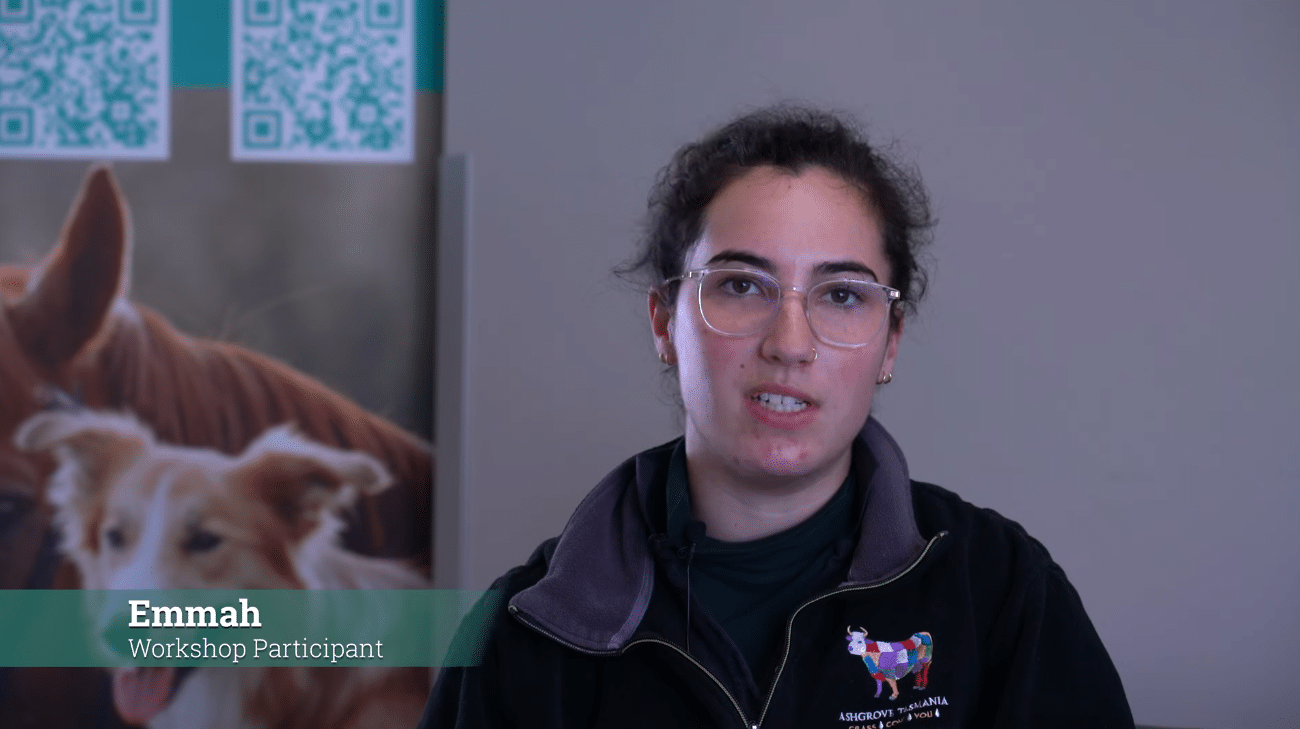
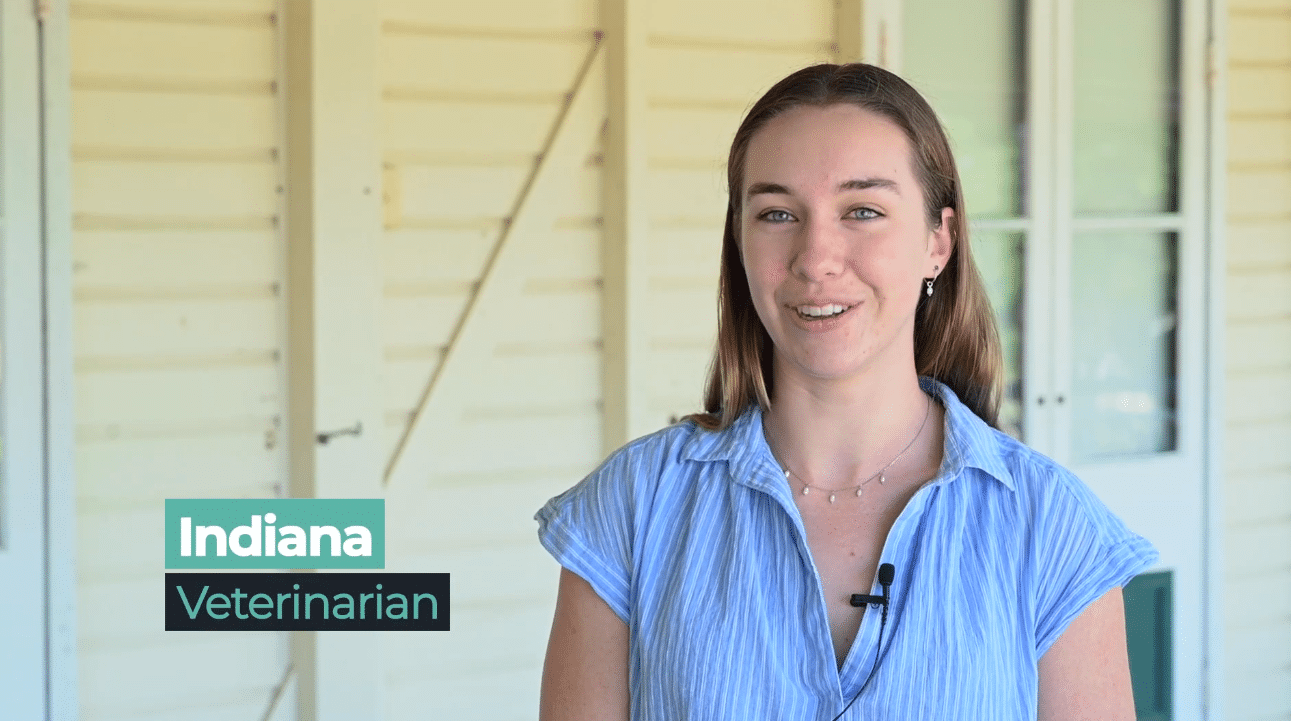
– Dr Hayat Zailan
Don’t Miss Out!
Reserve Your Spot Now
Only 30 Places Available
Investment: $3,800 One-time Payment
Vets earn 23 points NSW, 15 points all other states.
Ready to take your skills to the next level? Secure your place today!

This is a skill we want to teach every GP vet, because it’s universally useful and a frontrunner for the ‘Diagnostics Saving Lives’ award, right up there alongside the blood analyser. It’s also an in-house service clients vastly appreciate, saving the cost and inconvenience of referral in some cases… or providing a more solid justification when it’s the best call.
Addressing Common Questions
"I don’t have time to take off work. Why should I attend?"
Because this is the kind of workshop that pays time back in practice.
Cardiology cases can take up a lot of mental space, from the chronic murmur you’re not sure how to stage, to the immediate collapsed dog being rushed into prep.
ECGs too can be time-consuming when you’re not sure what you’re seeing and end up checking the trace twice (but four times over). This workshop is designed to make those moments go away.
Across one focused weekend, you’ll cover the cardiology skills that matter in GP practice. You need to learn scanning skills by doing, ideally alongside content that boosts your ability to learn and apply them. This is about as condensed as these time-savers come.
"Can I split the payment between myself and my workplace?"
Yes. If you have a CE budget available through your clinic or workplace, we’re happy to arrange split invoicing to help make registration easier.
Many participants choose to divide the workshop cost between their employer contribution and personal payment. Simply contact the VetPrac team ([email protected]) prior to registration and we can help organise the invoicing arrangement for you.
"Will I actually be able to apply these skills?"
Yes! That’s the point.
The weekend is built around practical, front-line cardiology, with extensive hands-on echo labs, scanning demonstrations, ECG interpretation, interactive cases and common conditions you’re likely to see in general practice.
You won’t just learn where to place and how to angle the probe, or what knobs to hit on the machine – you’ll commit these things to brain-and-muscle memory.
You’re not expected to leave performing specialist-level cardiac work-ups; rather, you should leave with a clearer and more capable means of approaching cardiac cases, and a greater range of diagnostics to offer your clients and your patients.
"Will I receive CPD points, a certificate, and learning materials?"
Yes. Every participant in the Small Animal Cardiology: Diagnostics to Treatment Workshop will earn CPD points and receive a personalised CPD certificate, emailed within seven days of the workshop. You’ll also receive comprehensive learning materials, including digital course notes and a printed practical guide, so you can continue revisiting key techniques and tips long after the workshop.
"What happens if I need to cancel or the workshop is cancelled?"
If you need to transfer or change your registration to another workshop, an administration fee of $50 applies. Cancellations made within 45 days of the workshop start date will incur a fee equal to 50% of the course investment, and cancellations within 7 days of commencement are non-refundable.
If VetPrac needs to cancel the Small Animal Cardiology: Diagnostics to Treatment Workshop, your course fees will be refunded in full. Please note that VetPrac cannot be held responsible for any travel, accommodation or other associated expenses incurred.